
Search Ohio Criminal Records
Ohio criminal records are kept at the state and county level. You can search for them through the Bureau of Criminal Investigation, the Court of Common Pleas in each of Ohio's 88 counties, or the Ohio Department of Rehabilitation and Correction's offender search tool. The state uses the WebCheck system for fingerprint-based checks and each county Clerk of Courts keeps case files for felony and misdemeanor cases. Court records are presumed open to the public under Ohio law. Whether you need to look up a case, find arrest records, or check on an inmate, there are free and paid ways to search Ohio criminal records from any county.
Ohio Criminal Records Overview
Ohio Criminal Records Through BCI
The Bureau of Criminal Investigation is the main state agency for criminal records in Ohio. BCI falls under the Ohio Attorney General's office and runs the WebCheck system. This is a web-based tool that lets authorized locations send fingerprints to BCI for checks. The system is tied to Ohio's Automated Fingerprint Identification System, which holds millions of prints along with their criminal histories. BCI handles about 1 million checks each year through this process.
A BCI criminal records check can show arrest records, court dispositions, convictions, and open warrants. It may also show sex offender registry data and, in some cases, sealed or expunged records when the law allows. The check pulls all relevant data that BCI has on file for the person in question. If an FBI check is part of the request, BCI will also pull federal records.
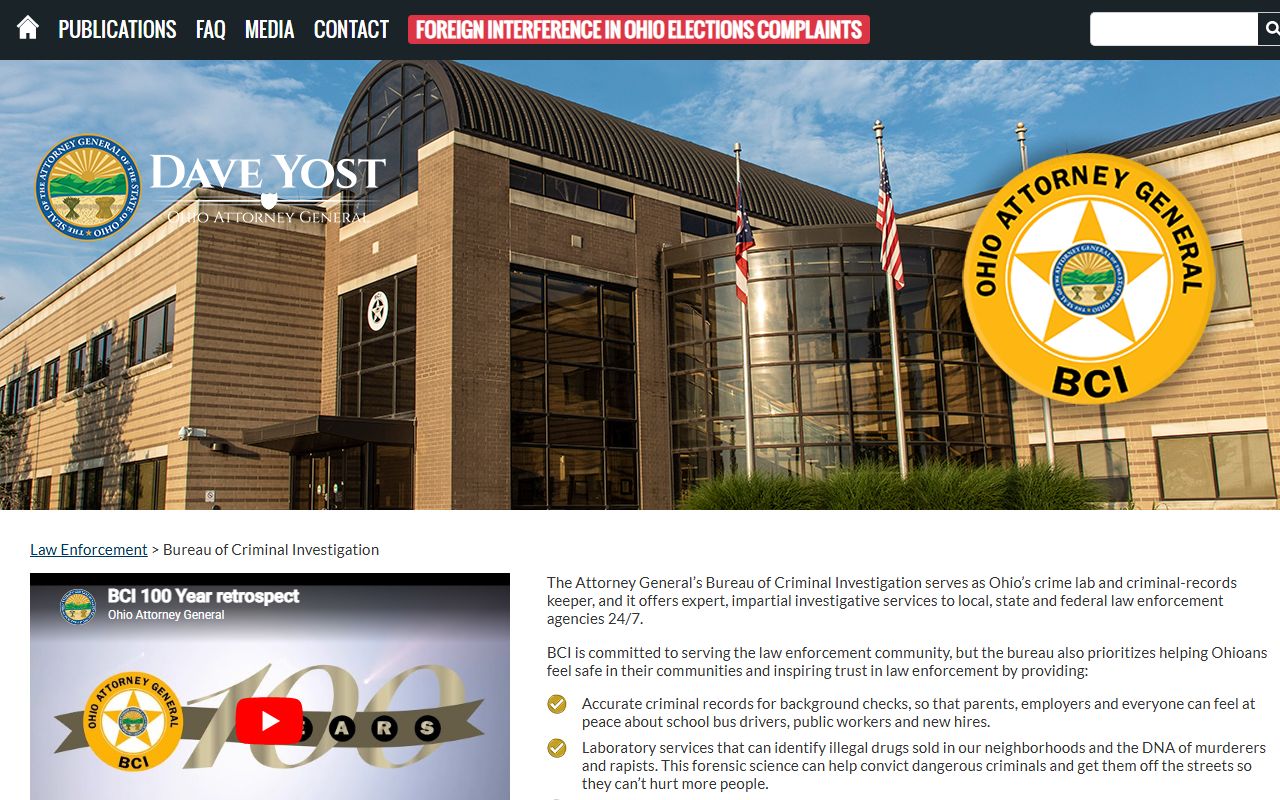
The BCI main page on the Ohio Attorney General's site has all the forms and info you need to get started with a criminal records search in Ohio.
Fees for a BCI check range from $22 to $45 for an Ohio-only search. An FBI check runs $25 to $50. Combined BCI and FBI checks cost $51 to $100 depending on the location. Most places take cash or money orders. Personal checks are not accepted at many sites.
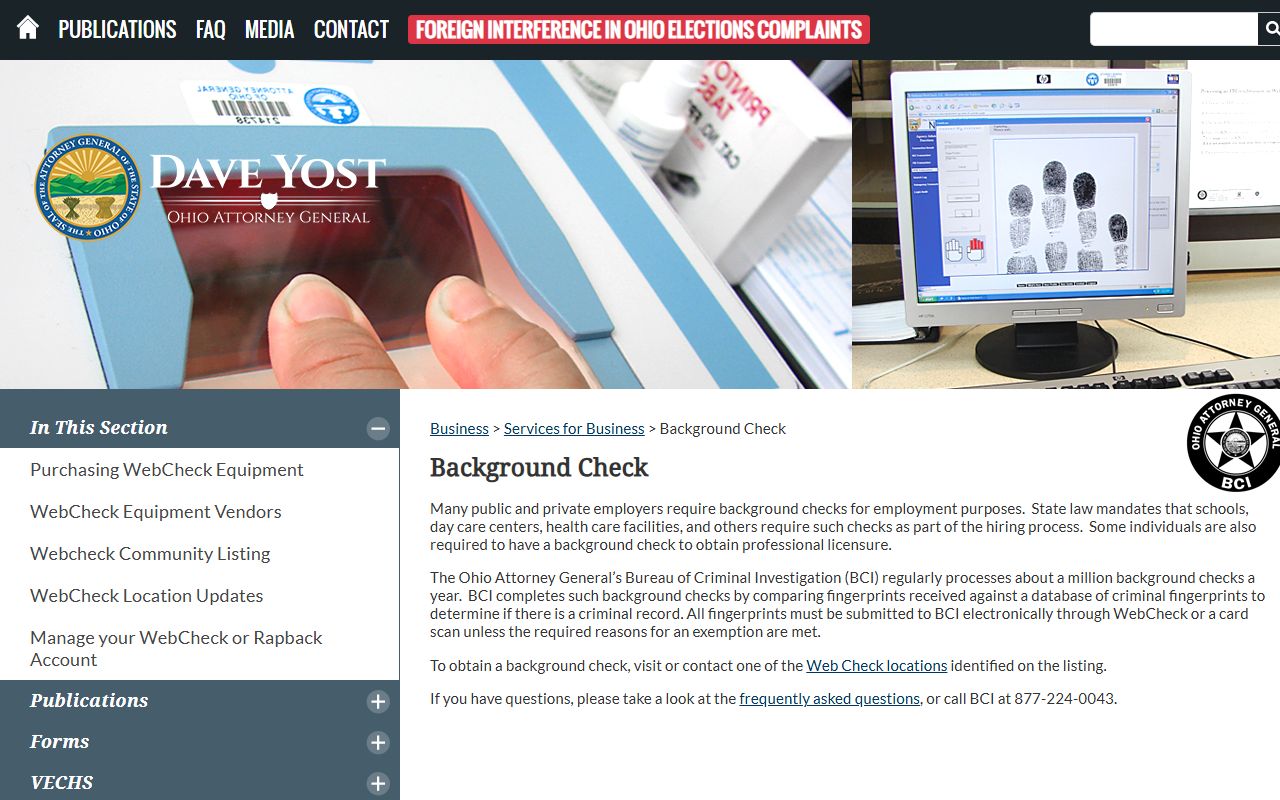
The WebCheck portal below shows how the online submission works for criminal records checks across Ohio.
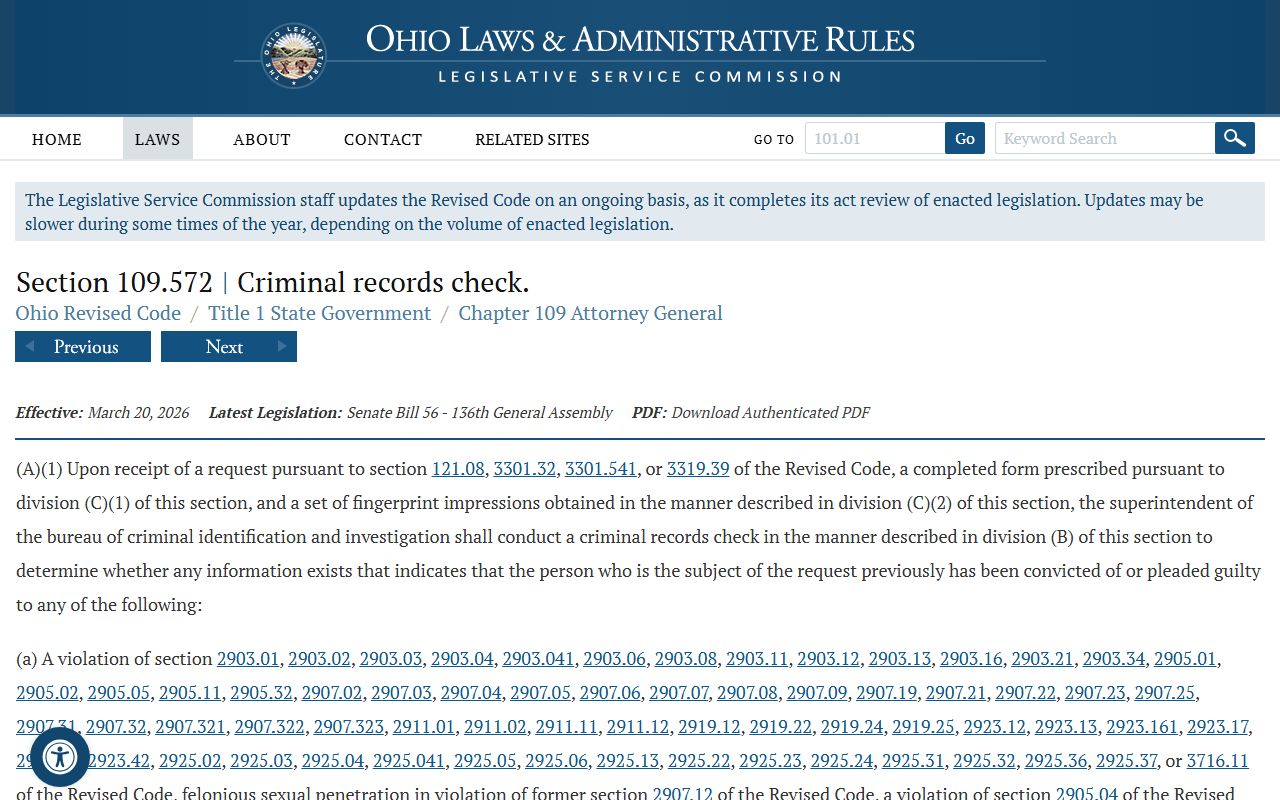
Results take 10 to 14 business days in most cases. Complex requests can take up to 30 days. Under ORC 109.572, results from a criminal records check are valid for one year from the date BCI finishes the check. If another request comes in during that year for the same person, BCI provides the prior results at a lower fee.
Note: To use WebCheck, you must visit an authorized location like a sheriff's office or police department and bring a valid ID, your Social Security number, and the reason code for the check.
Ohio Court System Criminal Records
Criminal cases in Ohio go through the Court of Common Pleas in each county. There are 88 counties, and each one has its own Clerk of Courts who keeps all case files. The Clerk handles filing, docketing, and indexing all court pleadings for felony criminal cases. Under the court system, there are also Municipal Courts that handle misdemeanors and traffic offenses. The Supreme Court of Ohio sits at the top and sets the rules for all courts in the state.
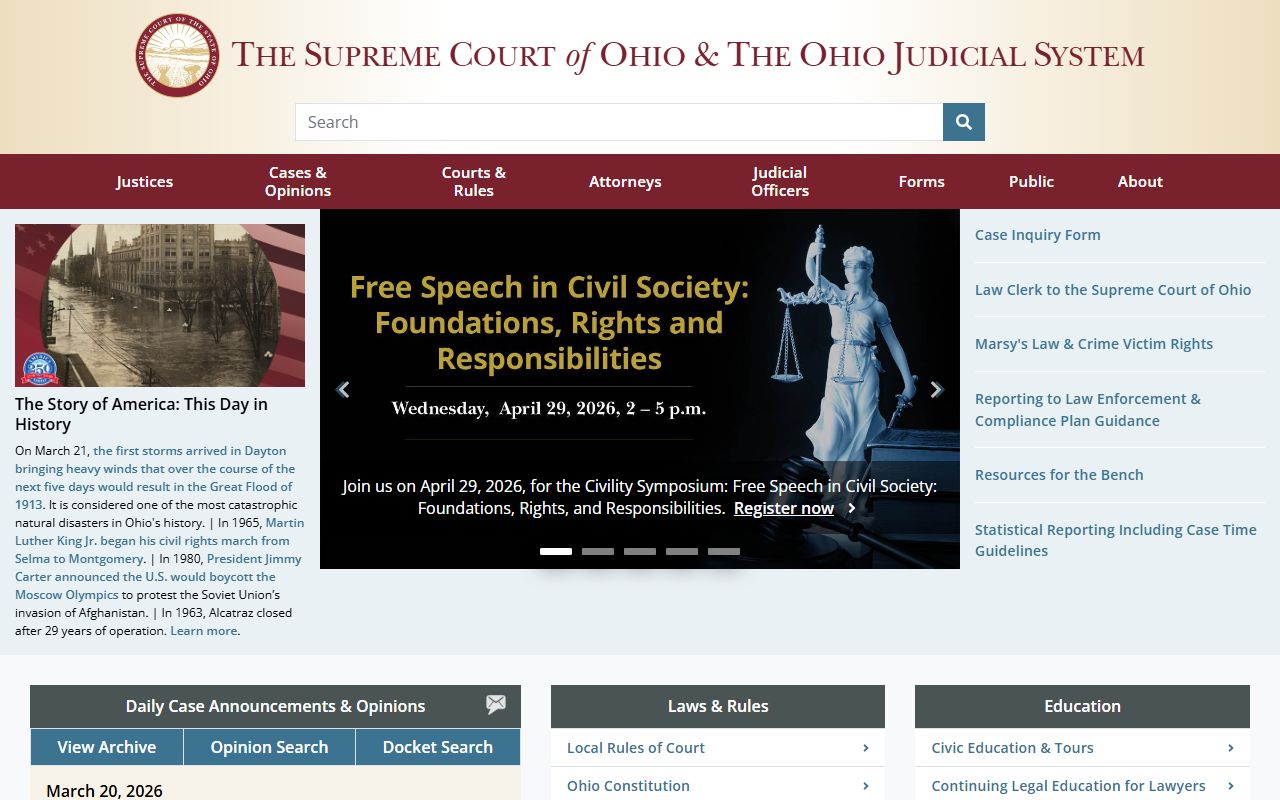
The screenshot below shows the Ohio Supreme Court website, which provides access to court rules and case information for criminal records across all Ohio courts.
Court records in Ohio are presumed open to public access. The Rules of Superintendence set by the Supreme Court govern how records are handled. You can ask to see case documents at any Clerk of Courts office during regular business hours. Some records have limits on access. Sealed cases, juvenile records, and active law enforcement files are not available to the public. Personal identifiers like Social Security numbers get redacted before release.
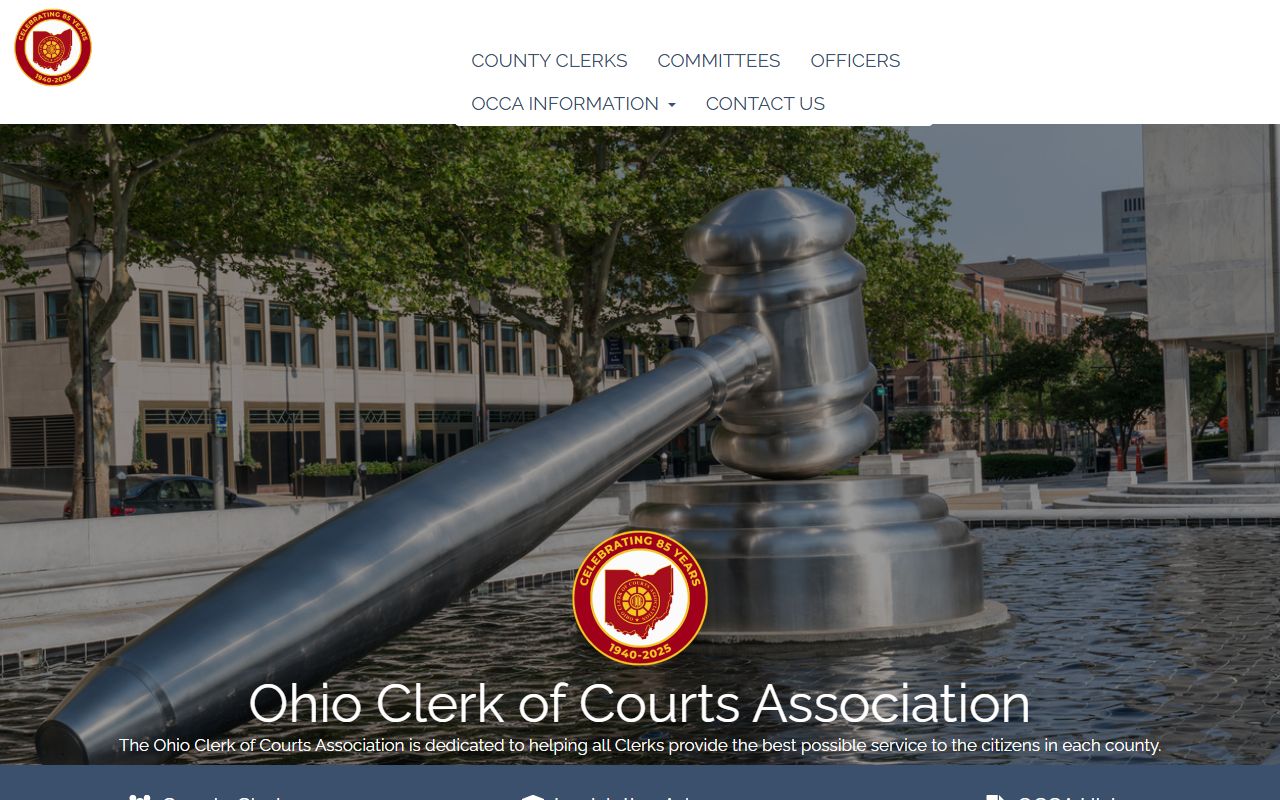
The Ohio Clerk of Courts Association keeps a directory of all 88 county clerks with contact info, phone numbers, and website links. This is a good place to start if you need to find the right office for a criminal records search in a specific county.
Ohio Offender Search Database
The ODRC Offender Search is a free tool run by the Ohio Department of Rehabilitation and Correction. It shows data on people who are in an Ohio state prison right now, under DRC supervision, on judicial release, or who died while in state custody. You can search by name, offender number, county of commitment, or zip code.
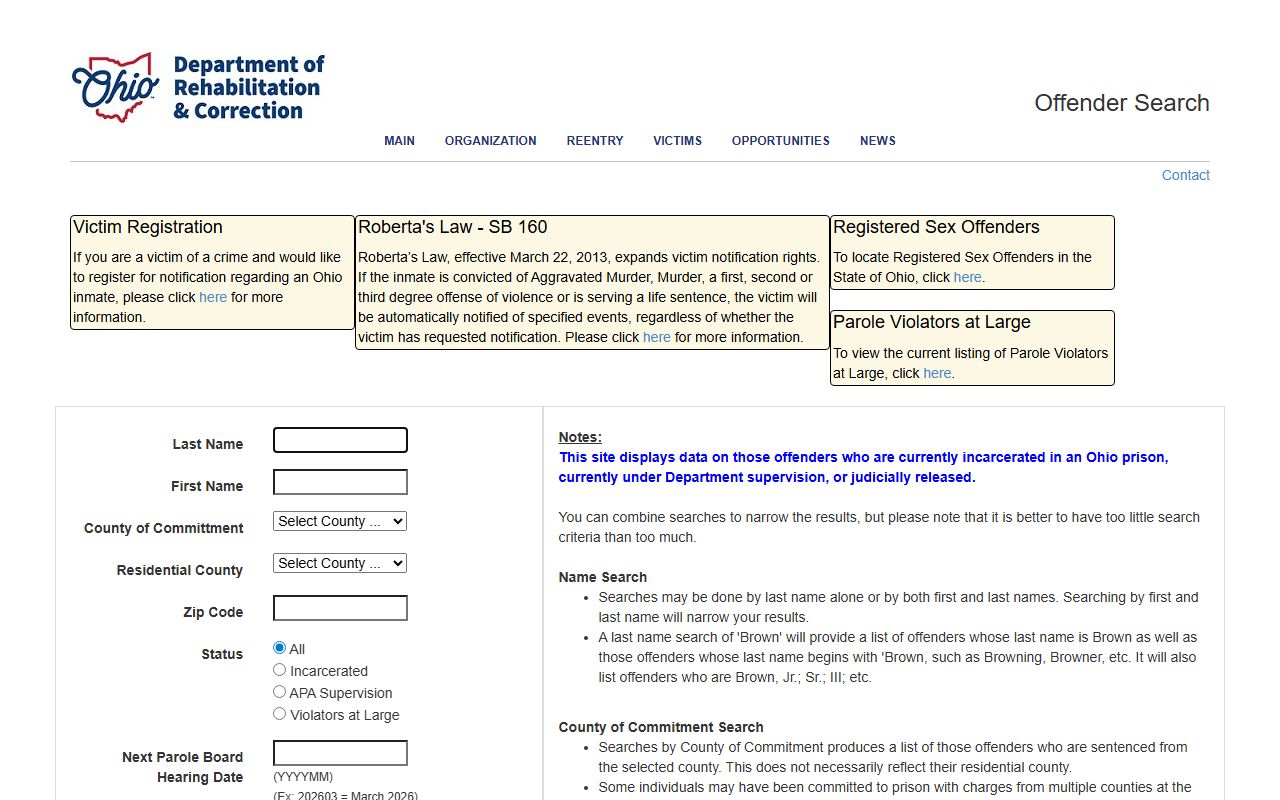
Search results show the person's name, mugshot, criminal history, sentence info, facility details, release dates, and parole status. The database gets updated on a regular basis. It does not cover county jail inmates or people held at city lockups. For those records, you need to contact the local sheriff's office or police department in the right county.
The Ohio prison system is the sixth largest in the country. The ODRC runs 26 state prisons and 3 juvenile facilities. The agency is based in Columbus at 770 West Broad Street. For records requests, you can call (614) 752-1159 or reach Central Records at (614) 752-1161.
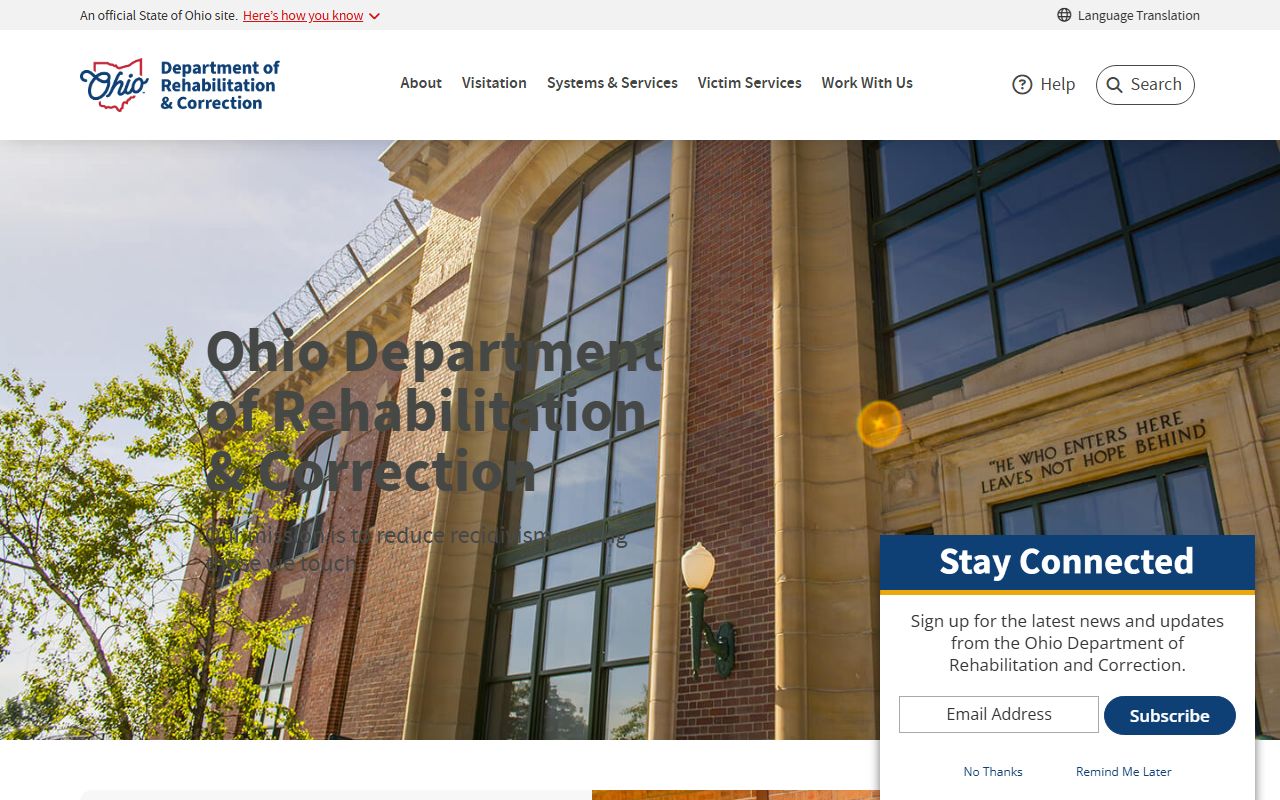
The Ohio.gov offender search page also links to the same database and provides extra info on how to look up criminal records through state resources.
Ohio Criminal Records and Public Access Law
ORC 149.43 is the Ohio Public Records Act. It says that records kept by any public office must be made available for inspection during regular business hours. This includes criminal records held by courts, law enforcement, and other government agencies. You do not need to give a reason for your request. The office must provide copies at cost within a reasonable time.
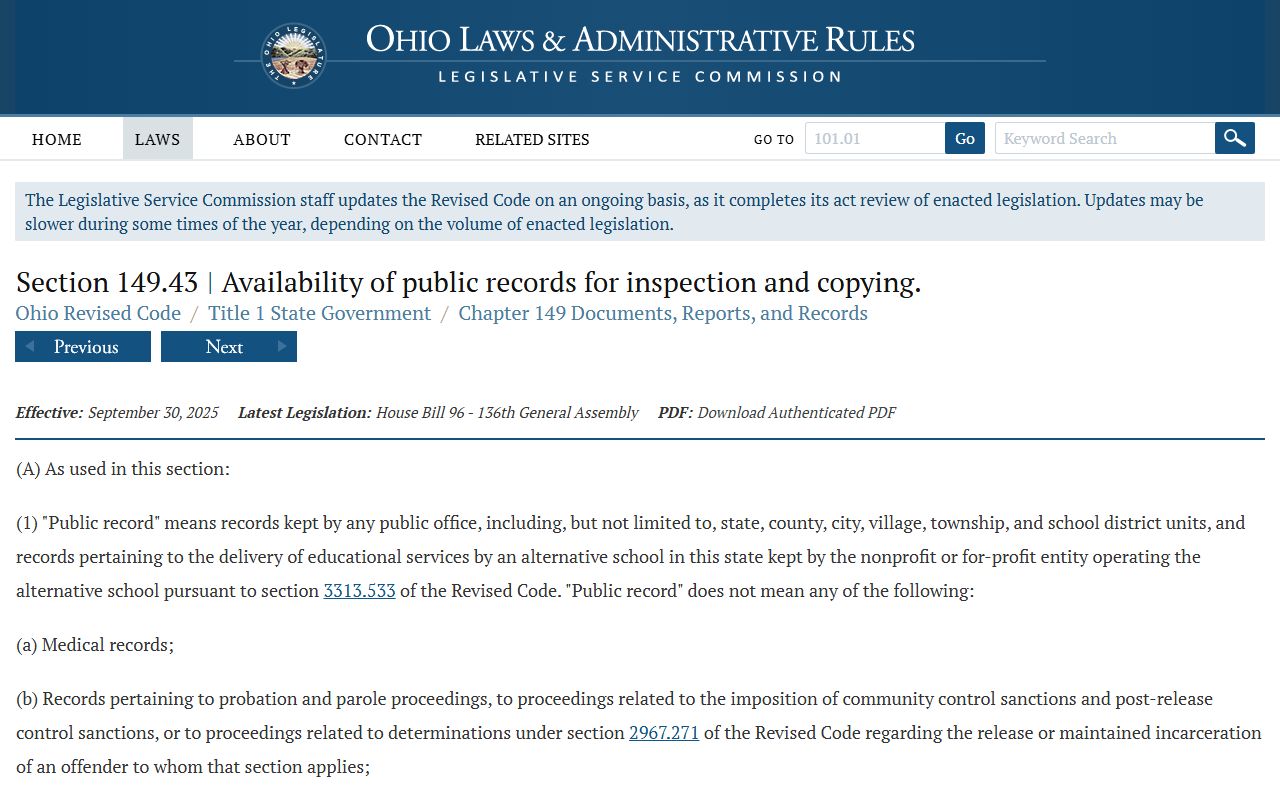
Some records are exempt. Medical records, active investigation files, DNA database entries, and juvenile case files do not fall under public access rules. Trial preparation records stay closed until all appeals are done. Body-worn camera and dashboard camera footage may be partially restricted. If a record has both public and exempt parts, the office must release what it can and redact the rest.
Video records from law enforcement have their own fee rules. Agencies can charge up to $75 per hour for prep work, with a cap of $750 total. They can ask for payment up front and must give you a cost estimate within five business days.
Note: If a public office refuses your records request, you have the right to file a complaint under ORC 149.43 and the office has three business days to respond.
Sealing and Expungement of Criminal Records in Ohio
Ohio law allows some criminal records to be sealed or expunged. The rules are in ORC 2953.32. Sealing means the records still exist but are hidden from public view. Expungement goes further and removes them. Not every case qualifies. First and second-degree felonies cannot be sealed. Violent felonies, sex offenses under Chapter 2950, and certain domestic violence convictions are also off the list.
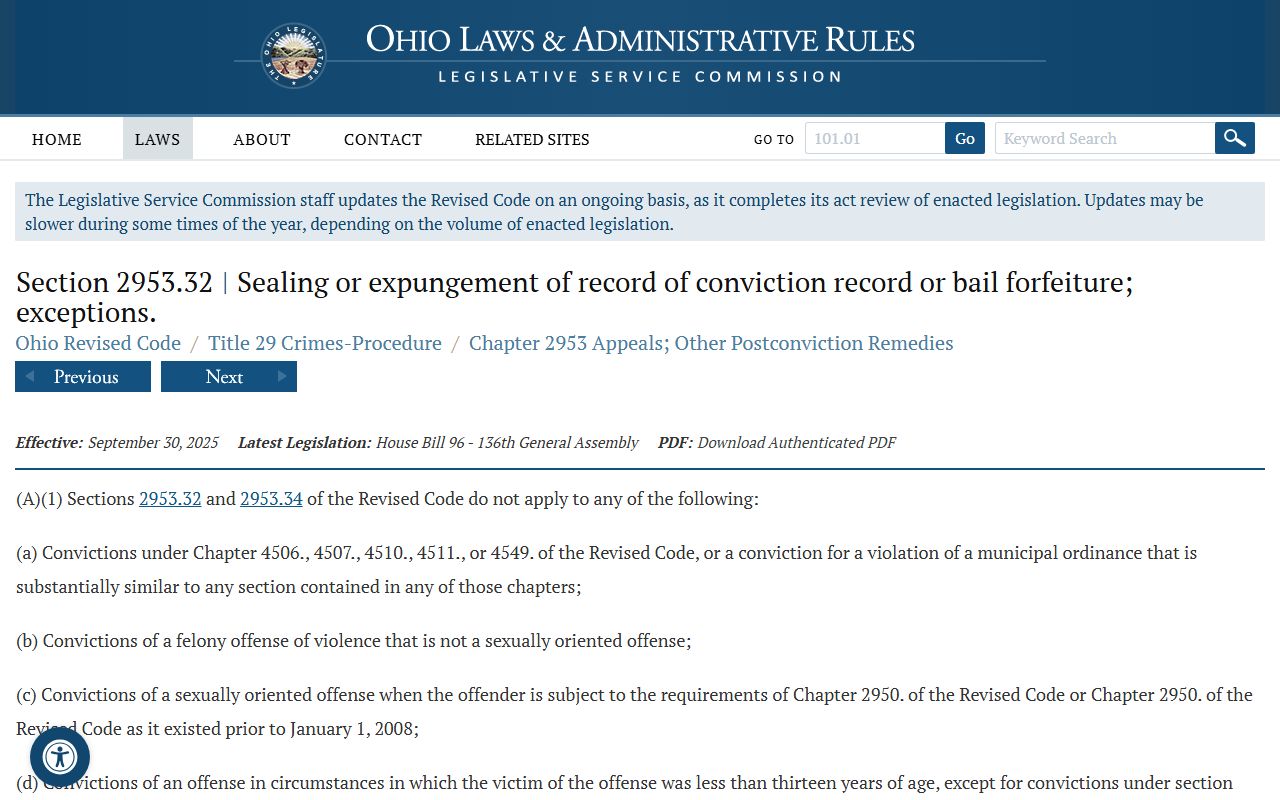
Waiting periods depend on the offense. Minor misdemeanors need six months after final discharge. Fourth and fifth-degree felonies or misdemeanors need one year. Third-degree felonies require three years. The application fee is $50 plus up to $50 in local court fees. People who can show they cannot afford the fee can ask for a waiver through a poverty affidavit.
Once the court grants sealing, all official records are hidden. Index references are deleted. The case is treated as if it never happened. Sealed records can still be seen by law enforcement, licensing boards, and sentencing courts for later convictions. BCI keeps expunged records for limited use in checking qualifications for law enforcement jobs.
Other Ohio Criminal Records Resources
The Ohio State Highway Patrol keeps its own set of criminal investigation records. Their Central Records Unit handles requests for crash reports, criminal investigation files, and incident reports. You can submit requests through their online platform.

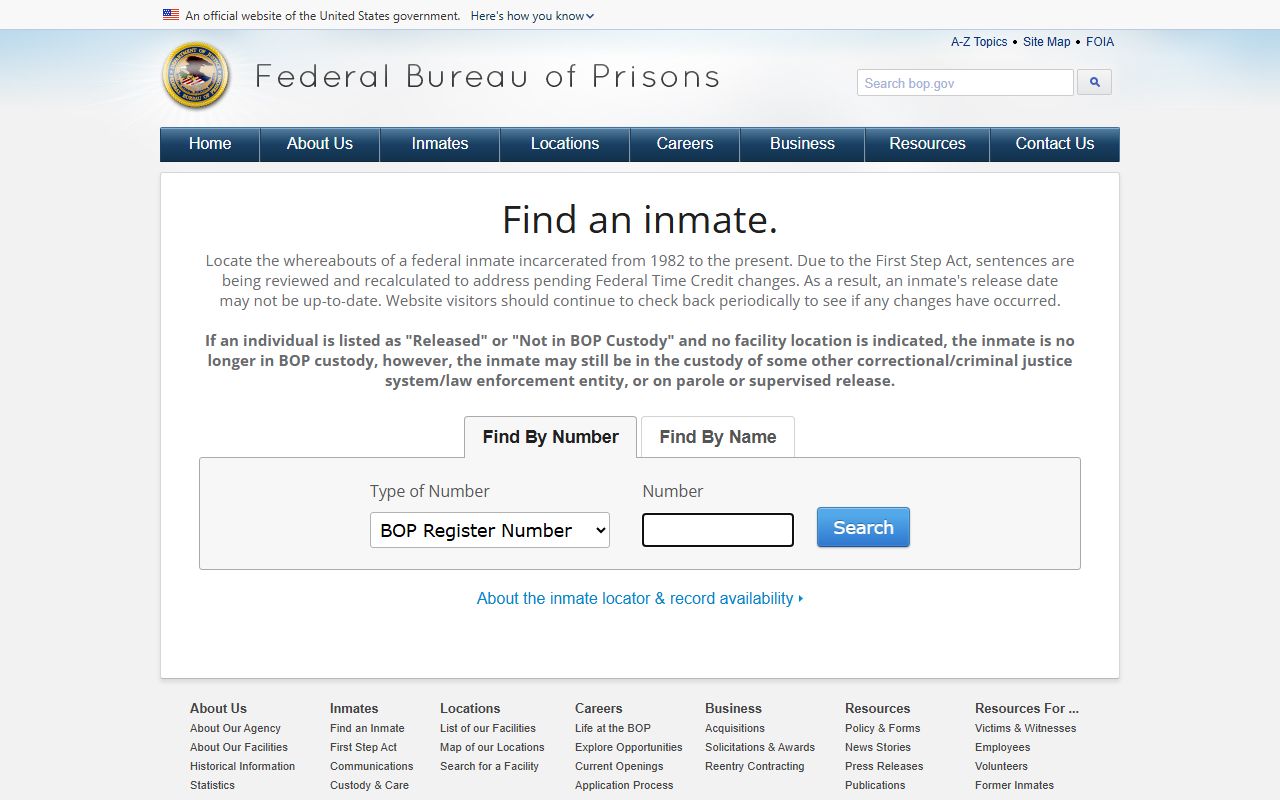
For federal inmates in Ohio, the Federal Bureau of Prisons Inmate Locator covers inmates from 1982 to the present. Ohio has a federal prison in Elkton (Lisbon, OH) and a residential reentry office in Cincinnati. You can search by name, BOP register number, or FBI number. Records before 1982 go through the National Archives in Dayton.
Under ORC 109.572, BCI is authorized to run fingerprint-based checks for various state purposes. The statute lays out which offenses are disqualifying for certain positions and sets the rules for how long results stay valid. The screenshot below shows the full text of the statute on the Ohio Revised Code site.
Browse Ohio Criminal Records by County
Each of Ohio's 88 counties has a Clerk of Courts and sheriff's office that handle criminal records. Pick a county below to find local contact info and resources for criminal records in that area.
Criminal Records in Major Ohio Cities
Residents of major cities can look up criminal records through their county's Clerk of Courts or the local police department. Pick a city below to find where to search for criminal records in that area.